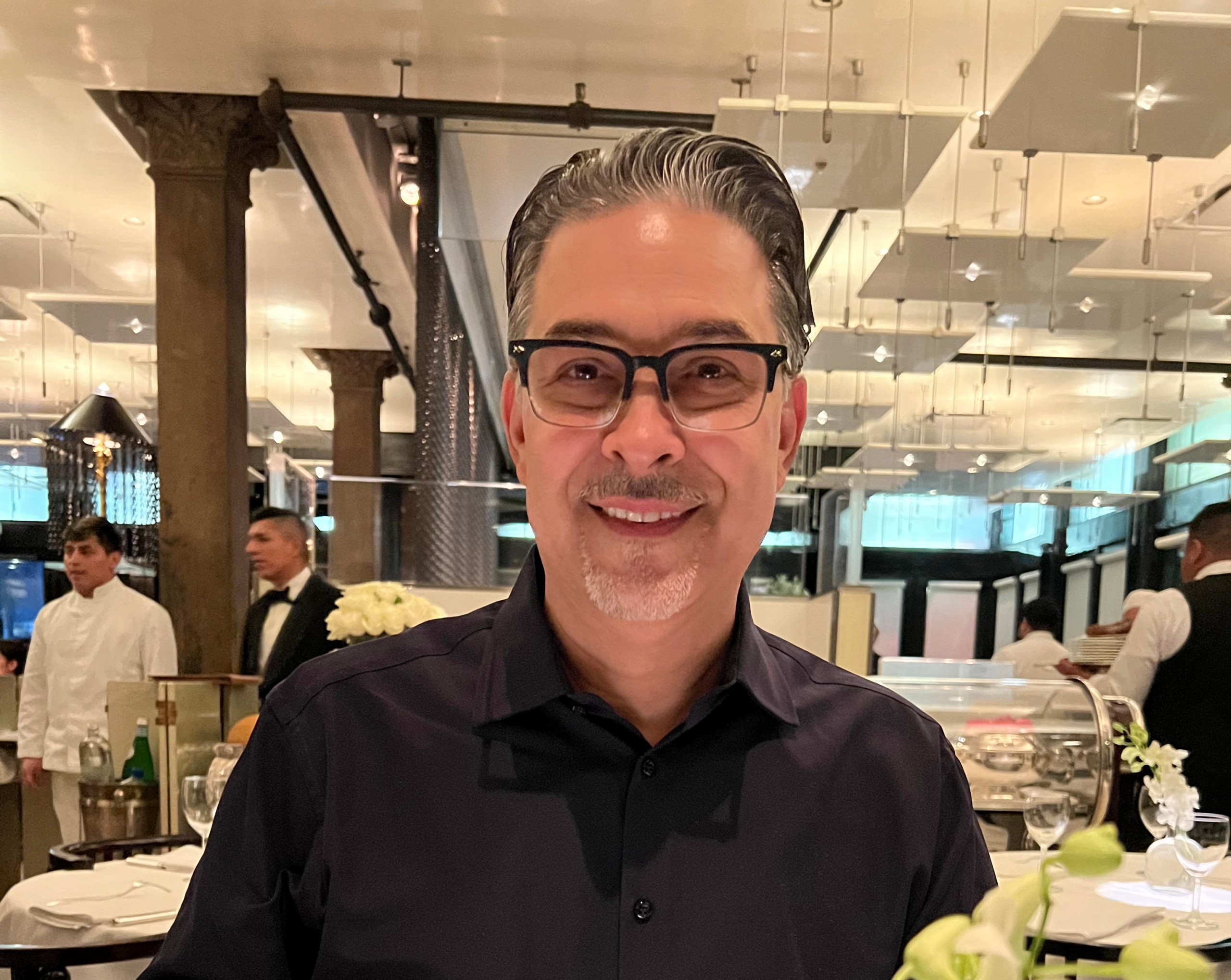
First jobs can teach important lessons. For Stephen Bouikidis, they came before he was even hired.
He had just graduated from high school, and Upper Darby Township needed someone to help move their voting machines around. When he applied for the job, though, his State Representative suggested one stipulation.
“I was strongly encouraged to register as a Republican,” Stephen says. “Like that would be favorable upon me getting a job. He told my mom, and then my mom told me.”
Although politics took an unexpected role in his hiring process, it was part of the times. “Back then, it was kind of open game. People said stuff like that and didn’t think twice about it,” he says.
Politics also wasn’t foreign territory to his parents, who had immigrated from Greece between the late fifties and early sixties. The country had faced great strife from World War II, its civil war, and a military takeover.
Perhaps, Stephen suggests, those experiences ensured they wouldn’t take civic engagement for granted in the United States. “Greece invented democracy. It’s part of our heritage. It’s part of our being. It’s in our bones.”
In practice, that looked like voting with purpose. “I think I learned that through their activity. I’ve never—they’ve never—missed a vote. I think I just inherited that.” For as long as he can remember, he has researched the candidates before every election.
“I want to go into it with an informed attitude around who I’m going to vote for,” he says. He examines the campaign materials from candidates, their commentary during their debates, and their voting records.
He finds independent-minded candidates particularly appealing. That attitude developed early in college, when he switched to no party affiliation. “I just was unsatisfied with both parties,” he says.
Today, no party represents his views well. For example, he believes economic policy requires more nuance than what their platforms offer.
“I would call myself somebody who’s fiscally conservative. I want to make sure that we have sound fiscal policies—that we’re not overspending, that we’re being mindful of how we’re spending our tax dollars.”
At the same time, he wants to ensure that others’ basic needs are met: “I don’t want that to be at the detriment of people not being fed or taken care of,” he says. “I want to make sure that everybody has a job, and everybody has food on the table.”
He found early on that he wasn’t the only one with nuanced views. During the nineties, he met another independent named Jennifer Bullock, who invited him to do some political theater work.
As part of a small group of volunteers, they created the Philadelphia Committee for Independent Culture. The group produced plays and performances in the Philadelphia area that explored the “small p” politics of different topics, ranging from power and authority to race and identity.
Not long after, Stephen joined Jennifer to create something new. Politically active, they created “Independent Pennsylvanians” to bring more attention to independent voters. They also supported a variety of nonpartisan reforms, which included instant runoffs, ballot access, and gerrymandering.
“We started out just basically being the voice for all of those reform activities,” Stephen says. “It was the whole gamut of issues around things that made our system unfair and inaccessible to many voters, but most of all, independents.”
One issue rose to the top of their interests: Pennsylvania’s closed primary elections. A product of Pennsylvania’s 1937 election code, primary elections only permit voters registered with a major or minor party to participate.
Meeting with legislators and canvassing on the streets, they found a supportive community. It was common to receive encouragement. “That is a great idea,” he recalls they said, “Taxpayers pay for the primaries. They should be open. That’s just not fair to be left out of important elections.”
They also encountered opposition. “It was only the stalwart party leaders who would come up to us, and they would just poo-poo the whole thing,” Stephen says.
Many opponents of changing the election system see primaries as party nomination processes, open only to party registrants. Others in the past have also raised concerns about the operational burdens placed on local election administrators.
But they continued their efforts. What began as an issue with no interest during those early years has become a regular subject of public discussion. Each new legislative session opens with bills introduced by state legislators from both parties. Many organizations from across the state also support the legislation.
Stephen thinks these reforms will pass in the end, despite the presence of political polarization that has made reform challenging.
“The Greeks have been around for over 2500 years, right? Thousands of years,” he says. “With our ebbs and flows, I have faith in humanity. If things get really bad and dire, a strength will come out of the people in this country. We will reach a tipping point where things will change for the better. It’s just a matter of time.”